

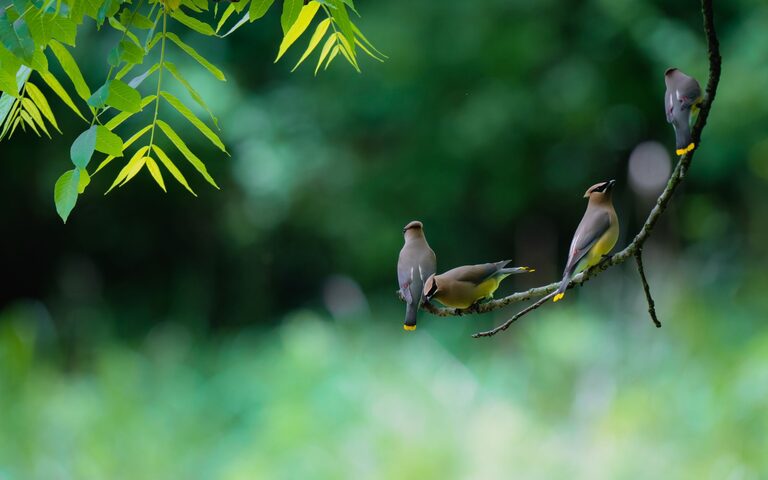
Birdwatching is a rewarding and relaxing hobby that can be enjoyed right in your own backyard. Whether you’re a complete beginner or just looking to improve your skills, observing birds offers a wonderful opportunity to connect with nature, learn about local species, and add a little joy to your daily routine. This guide covers essential tips for backyard birdwatching that help you get started with confidence.
Why Backyard Birdwatching?
Birdwatching doesn’t require expensive equipment or traveling to remote locations. Your backyard can become a natural sanctuary for birds if you create the right environment and adopt some simple practices. Watching birds can also be a stress-reliever, promoting mindfulness and appreciation for the natural world.
Getting Started: Basic Supplies
You don’t need much to begin birdwatching, but a few basic supplies can enhance your experience:
– Binoculars: A pair of binoculars helps you see birds up close without disturbing them. Look for lightweight models with 6x to 8x magnification for easier use.
– Field Guide or App: A field guidebook or a bird identification app can help you recognize different species and learn their habits.
– Notebook and Pen: Keeping a birdwatching journal to record sightings and notes adds fun and helps track your progress.
– Bird Feeder: Attract birds by putting up feeders with seeds suitable for local species.
– Camera (Optional): If you enjoy photography, a camera with a zoom lens can capture memorable moments.
Creating a Bird-Friendly Backyard
To entice birds to visit, you can take simple steps to make your outdoor space more inviting:
Provide Food
Different birds prefer different types of food. Some popular options include:
– Black-oil sunflower seeds: Loved by many species, including cardinals and chickadees.
– Nyjer seeds: Attract finches.
– Suet cakes: Good for woodpeckers and nuthatches, especially in cold weather.
– Fruit: Oranges, apples, and berries can attract orioles and tanagers.
Place feeders in safe, visible spots, preferably near trees or shrubs where birds can perch and hide.
Offer Water
A shallow birdbath with clean water gives birds a place to drink and bathe. Keep the water fresh, and add stones for perching if the bath is deep.
Provide Shelter
Plants, shrubs, and trees offer shelter and nesting opportunities. Native plants are especially valuable because they support local bird populations by providing natural food and cover.
Observing Birds Respectfully
When birdwatching, it’s important to respect the animals and their environment:
– Stay Quiet and Still: Sudden movements and loud noises can scare birds away.
– Keep a Distance: Avoid getting too close to nests or birds to prevent disturbance.
– Don’t Feed Bread or Junk Food: These can be harmful to birds.
– Clean Feeders Regularly: Prevent disease by washing feeders every couple of weeks.
Learning to Identify Birds
Bird identification is a key part of the fun. Here are some tips to help you learn:
– Notice size, shape, and color patterns.
– Pay attention to behaviors, such as how a bird feeds or flies.
– Listen for distinctive calls and songs.
– Use a field guide or app that includes photos and sounds.
– Start by learning common species in your region.
Timing and Patience
Birds are most active early in the morning and late afternoon. Set aside quiet times during these hours for your birdwatching sessions. Patience is essential—sometimes you may wait a while to see birds, but consistent observation will increase your chances of spotting interesting species.
Keep a Birdwatching Journal
Recording your observations can be both enjoyable and educational. Include details like:
– Date and time
– Weather conditions
– Species seen
– Number of birds
– Behavior notes
Over time, your journal will become a valuable resource for tracking changes in bird activity and diversity.
Connecting with the Birdwatching Community
Joining local clubs or online groups can help you learn more, share experiences, and find inspiration. Many communities offer beginner workshops or guided bird walks that make learning more interactive.
Final Thoughts
Backyard birdwatching is a simple yet enriching hobby accessible to people of all ages. By creating a welcoming environment for birds and practicing mindful observation, you’ll discover the amazing diversity and beauty of your local feathered friends. So grab your binoculars, set up a feeder, and start enjoying the peaceful pleasures of birdwatching right at home.