

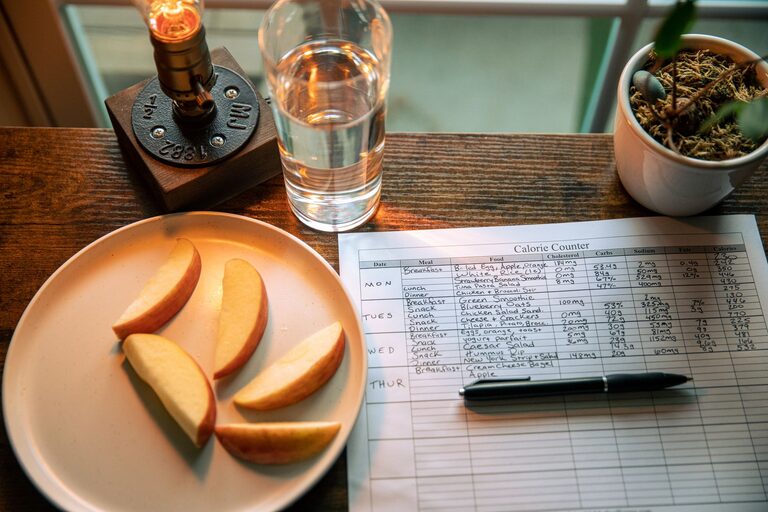
Planning balanced meals doesn’t have to be overwhelming or stressful. With a little organization and some helpful strategies, you can create delicious, nutritious meals that support your health and satisfy your taste buds. Whether you cook daily or batch prepare meals for the week, the key is planning with simplicity and flexibility in mind. In this post, we’ll explore practical steps to help you plan balanced meals without the hassle.
Why Balanced Meals Matter
Balanced meals provide your body with essential nutrients: carbohydrates for energy, protein to build and repair tissues, healthy fats for brain function, and plenty of vitamins and minerals from fruits and vegetables. Eating balanced meals regularly can improve energy levels, support a healthy weight, and promote overall well-being.
Step 1: Understand the Basics of a Balanced Meal
A balanced meal typically includes:
– Protein: Lean meats, poultry, fish, beans, lentils, tofu, eggs, or dairy
– Whole Grains or Starchy Vegetables: Brown rice, quinoa, whole wheat pasta, potatoes, or corn
– Vegetables: A variety of colors and types, either raw, steamed, roasted, or sautéed
– Healthy Fats: Olive oil, nuts, seeds, avocado, or fatty fish like salmon
– Optional: A small portion of fruit or dairy
By including these groups, you cover the main nutrient categories your body needs.
Step 2: Plan Your Meals Around What You Enjoy and What’s Available
Meal planning is easier when you focus on foods you like and that are in season or readily available. Take some time each week to:
– Check your pantry and fridge: Note what you already have to avoid buying duplicates.
– Browse store specials or farmer’s markets: Seasonal produce is often fresher and more affordable.
– Choose recipes or meal ideas: Simple dishes you enjoy make cooking more rewarding.
Step 3: Create a Weekly Meal Plan
Writing out a meal plan helps reduce daily decision fatigue. Here’s how to start:
– Pick a day for planning: Sunday or any free day works well.
– Decide on your meals: For example, plan breakfast, lunch, and dinner for each day or just dinner if you prefer simpler lunches.
– Mix it up: Include a variety of proteins, vegetables, and grains throughout the week.
– Set realistic goals: You don’t have to plan every single meal—leave room for flexibility.
Sample weekly plan outline:
| Day | Breakfast | Lunch | Dinner |
|———-|——————-|——————–|———————|
| Monday | Oatmeal with fruit| Chicken salad wrap | Grilled fish & veggies |
| Tuesday | Yogurt & nuts | Leftover fish & rice| Stir-fried tofu & broccoli |
| Wednesday| Smoothie | Bean soup & bread | Spaghetti with tomato sauce |
| … | … | … | … |
Step 4: Make a Grocery List
Based on your meal plan, write a grocery list organized by category such as produce, proteins, grains, and dairy. This helps you shop efficiently and reduces impulse buys.
Step 5: Use Simple Meal Prep Techniques
Meal prepping can save time and reduce stress during busy days. Here are some easy meal prep ideas:
– Wash and chop vegetables in advance: Store them in airtight containers.
– Cook grains or proteins in batches: Refrigerate or freeze portions for quick use.
– Prepare sauces or dressings ahead: Homemade dressings add flavor and control ingredients.
– Assemble ingredients for quick meals: For example, make salad jars or sandwich kits.
Step 6: Keep Meals Flexible and Adaptable
Life can be unpredictable, so it’s important to stay flexible. If you don’t feel like cooking a planned meal, swap it with a simpler option or leftovers. Having staples like canned beans, frozen veggies, and quick grains on hand makes it easier to adjust your meals.
Step 7: Enjoy the Process and Keep it Simple
Remember, meal planning is a tool to make your life easier, not more complicated. Keep recipes simple with a few ingredients, use one-pot meals, or sheet-pan dinners to save time and clean-up. Try to view meal prep and cooking as a creative and rewarding activity rather than a chore.
—
Additional Tips for Stress-Free Balanced Meal Planning
– Use a meal planning app or template: Many free options are available to organize your meals and grocery list.
– Cook once, eat twice: Make larger portions to enjoy leftovers or repurpose ingredients.
– Involve family or roommates: Sharing meal planning and cooking duties can lighten your load.
– Focus on portion control: Balanced meals are not only about components but also about reasonable serving sizes.
– Stay hydrated: Don’t forget to drink water throughout the day.
—
Final Thoughts
Planning balanced meals doesn’t have to be a stressful task. By understanding the components of a balanced plate, organizing your week, prepping ahead, and staying flexible, you can enjoy nourishing meals with less effort. Start with small steps and build habits that fit your lifestyle. Your body and mind will thank you!
Happy cooking!